

Catalyst collaborators
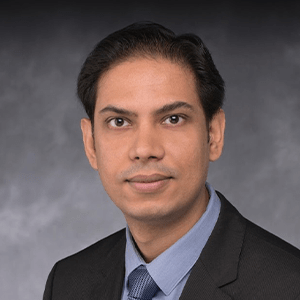
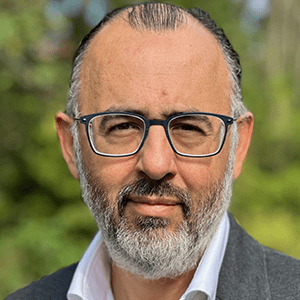
Fellows


Scholars
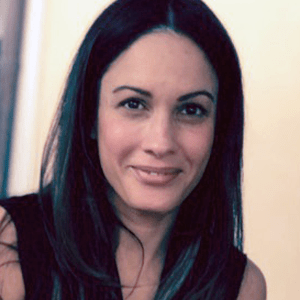


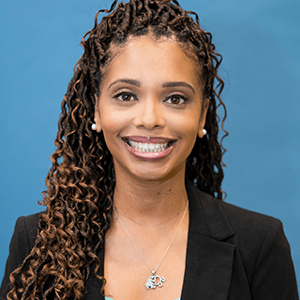



Faculty

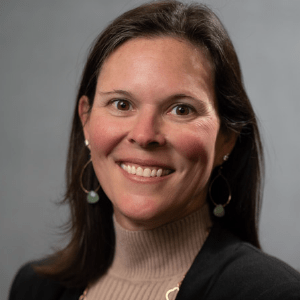
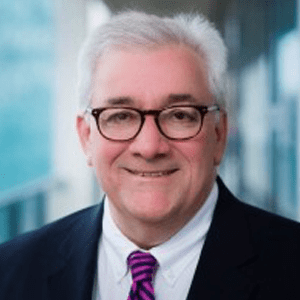

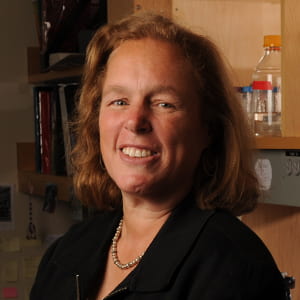
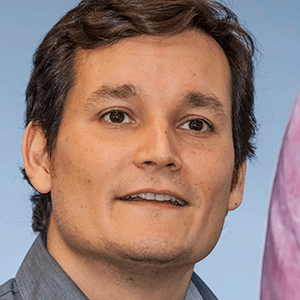

Experience highlights
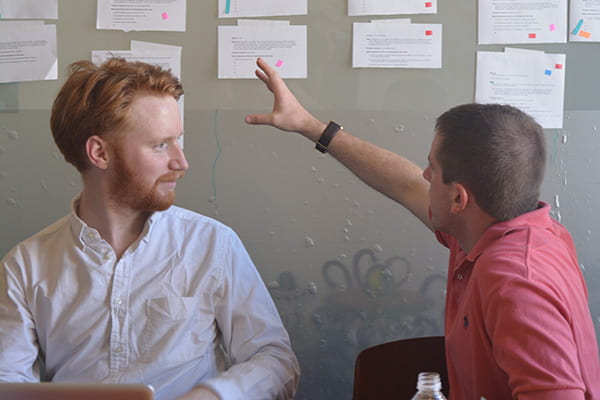
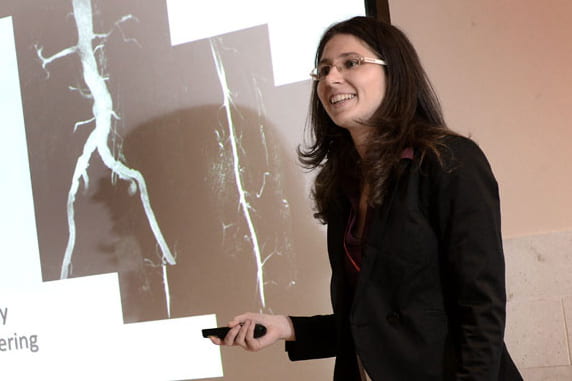
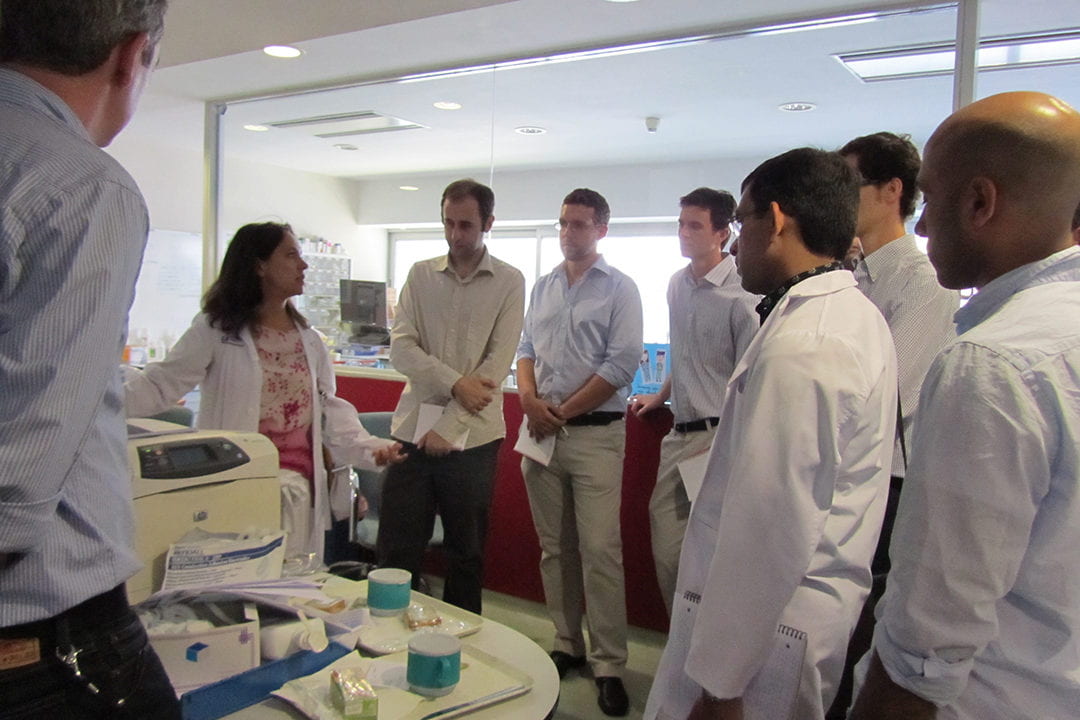
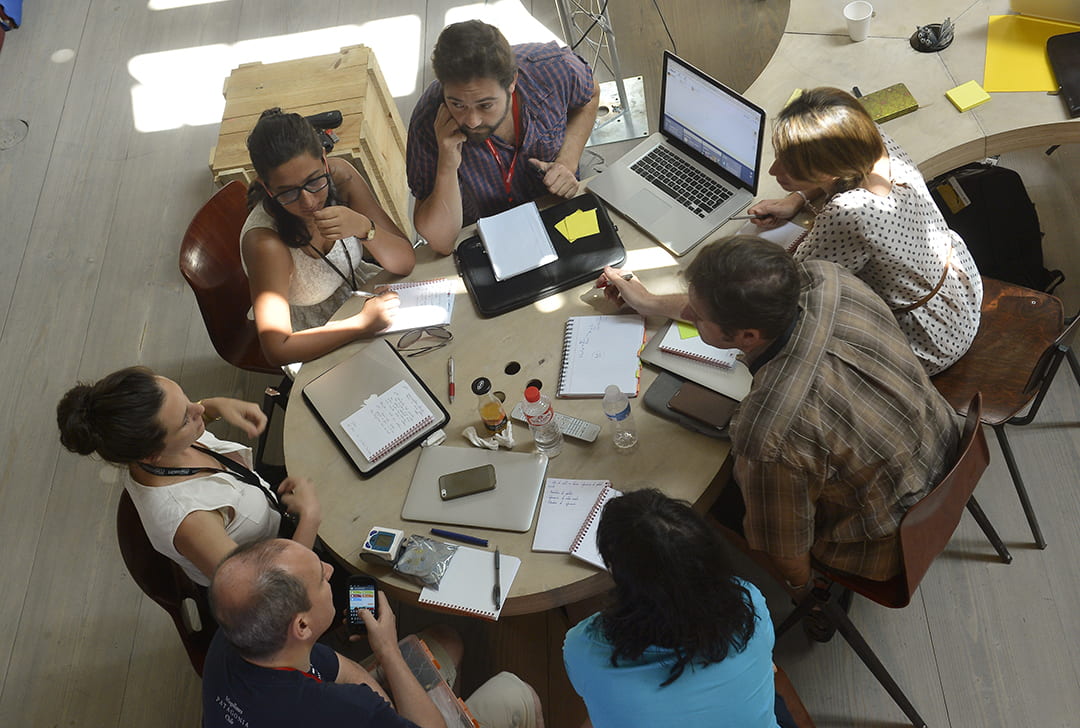
The process
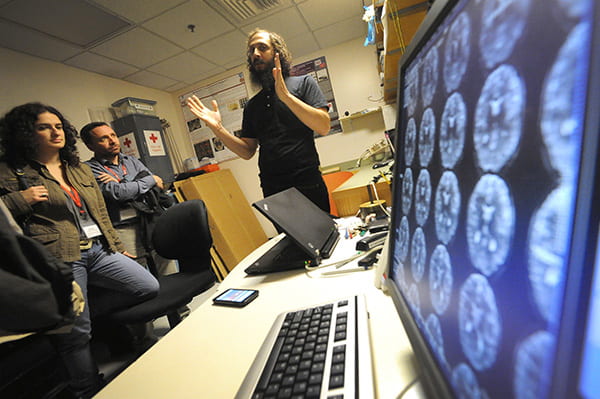
Proof of need
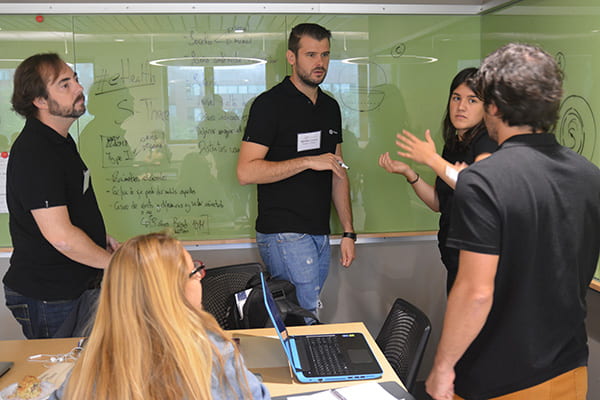
Proof of opportunity
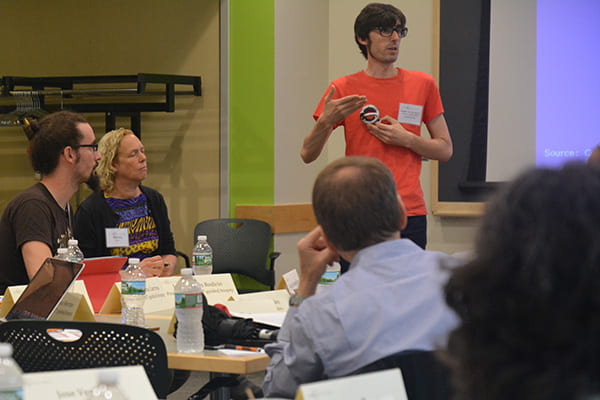
Project proposal

Outcome
Portfolio of validated research projects for ongoing mentorship, with real opportunity to transition to the project execution phase, project execution—exploration of funding and commercialization opportunities. Learn more about the Catalyst process
Program details
January 2026–early July 2026:
- January 5, 2026: First meeting
- Availability to meet during program schedule
- Weekly sessions: Wednesdays 10:00am – 1:00pm ET
- Weekly discussion groups: Mondays 10:00am – 11:00am ET
- Three 3-day working sessions in person at MIT: January 20–22, February 24–26, and May 5–7.
- July 1, 2026: Final session
- Compatibility with current job, training, or activity
- As appropriate, approval of your supervisor
- See FAQs for more details
Beyond July
While the initial commitment is for 6 months, given that the objective is for you and other Fellows to nucleate a new research/innovation project, candidates should consider the feasibility of working beyond the initial 6 months. Practically speaking, the time required will continue to be at least 10-15 hours per week, but many Fellows have found ways to devote more time than that to accelerate their progress. Again, no a priori commitment is expected, but if you are certain that it would be impossible to go beyond the 6 month period, consider holding off your application until there is some possibility of continuing. Feel free to reach out to us to discuss your situation.
Catalyst community values
The Catalyst Program is aligned with MIT’s Values Statement in our commitment to making our community a humane and welcoming place where people from a diverse range of backgrounds can grow and thrive. Because learning is nourished by a diversity of views, we cherish free expression, debate, and dialogue in pursuit of truth – and we commit to using these tools with respect for each other and our community.
Catalyst aims to address equity and intersectionality in biomedical research and innovation in healthcare. Race, ethnicity, age, and sex can impact how different people respond to the same intervention. Diversity of thought and perspectives through the lens of a participant’s background contributes to an enhanced learning experience, improved research and development, and overall better medical interventions.
Our community challenges ourselves to face difficult facts, speak plainly about failings in our systems, and work to overcome them. Valuing potential over pedigree, we know that talent and good ideas can come from anywhere – and we value one another’s contributions in every role.
FAQs
Want to learn more? We have detailed answers to frequently asked questions.
Want to know more about the VA–MIT collaboration in Catalyst and what it means for VA providers?
Still more questions? Email us at catalyst-program@mit.edu