


Catalyst collaborators


Fellows


Faculty

Stephan Gaehde, MD, MPH
Boston VA Medical Informatics Fellowship Program Director; Boston VA Chief of Emergency Services
Martha Gray, PhD
J. W. Kieckhefer Professor of Health Sciences and Technology; Professor of Electrical Engineering and Computer Science, MIT; Director, MIT linQ


Jacob Hooker, PhD
Phyllis and Jerome Lyle Rappaport MGH Research Scholar; Professor of Radiology, Harvard Medical School
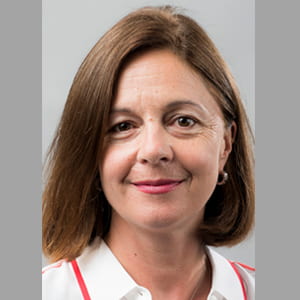
Fiona Murray, PhD
Associate Dean for Innovation, MIT Sloan School of Management; Co-Director, MIT Innovation Initiative
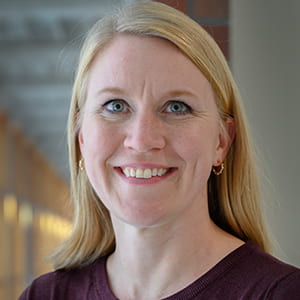
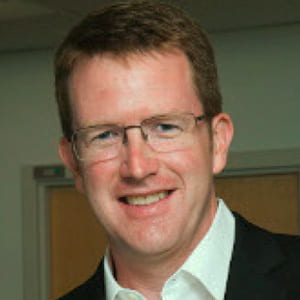
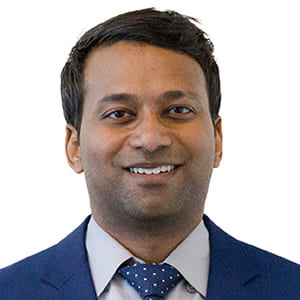
Karthik Sivashanker, MD, MPH
Assistant Professor of Psychiatry, Boston University; Consultation-Liaison Psychiatrist, VA Boston


Collin Stultz, MD, PhD
Professor of Electrical Engineering and Computer Science, Institute for Medical Engineering and Science, MIT
Ben Vakoc, PhD
Associate Professor, Harvard Medical School; Massachusetts General Hospital Wellman Center for Photomedicine
Experience highlights
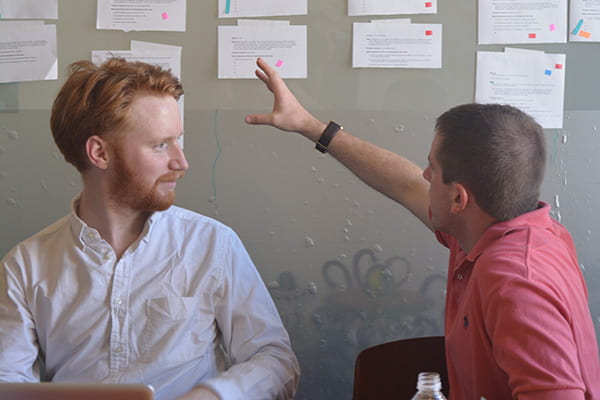
New project discovery with high potential to achieve health impact and without the constraints of a single lab or organization.
Process driven by you in a multi-disciplinary team based environment. Past teams have established new lines of research, launched start-ups, and embarked on new career trajectories.
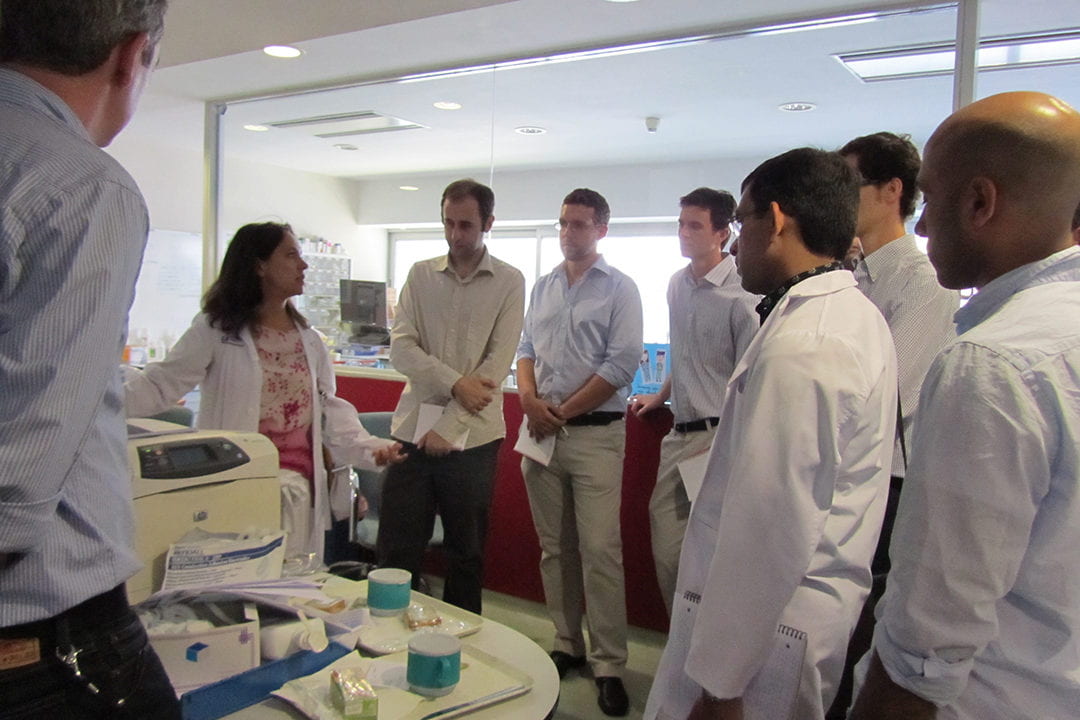
Mentored by a unique network of leading experts in their field from academic research and industry that shortens the time to realize meaningful healthcare outcomes.
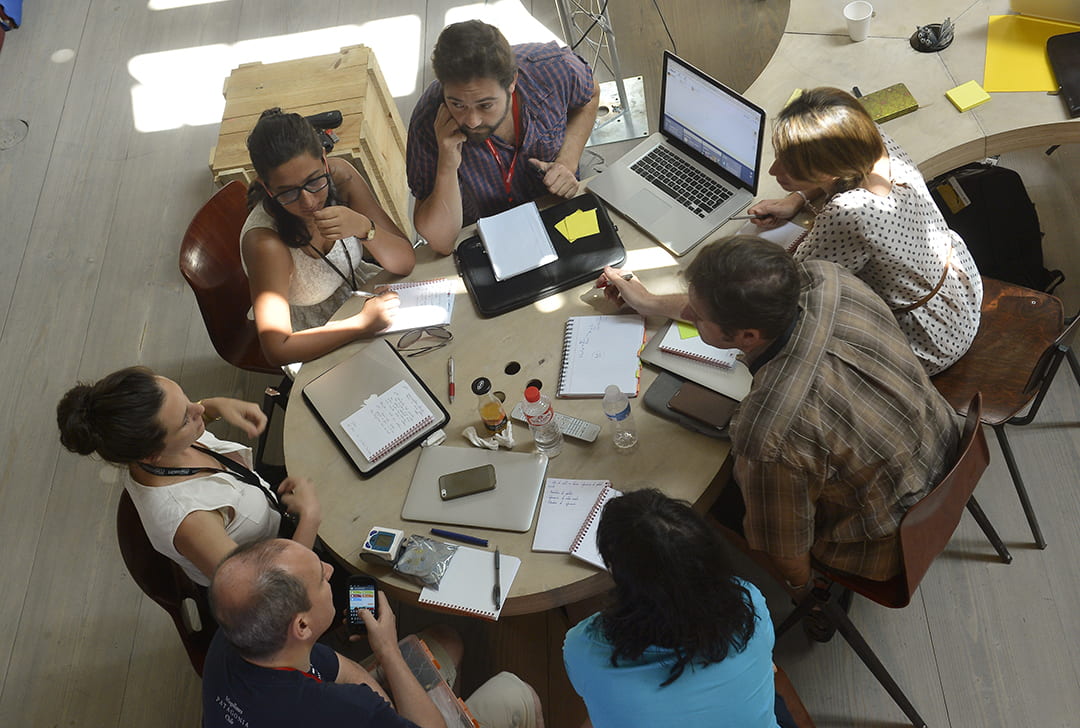
A proven MIT linQ Innovation Method that focuses on real-world medical innovation opportunities and accelerates impact.
The process
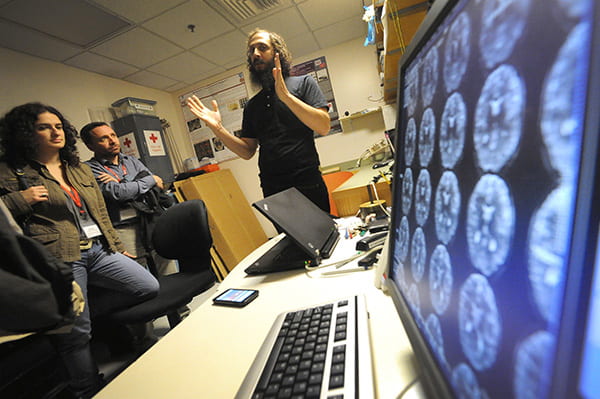
Proof of need
Identify and evaluate relevant unmet medical needs by visiting laboratories, talking with clinicians, and exploring the literature.
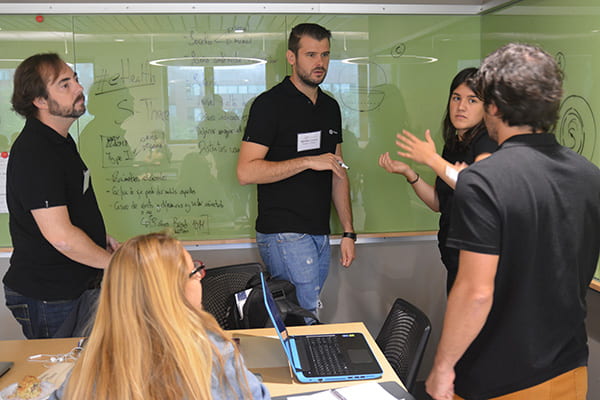
Proof of opportunity
Identify and evaluate a set of possible solutions. Meet with key stakeholders to assess their potential of solving the unmet need.
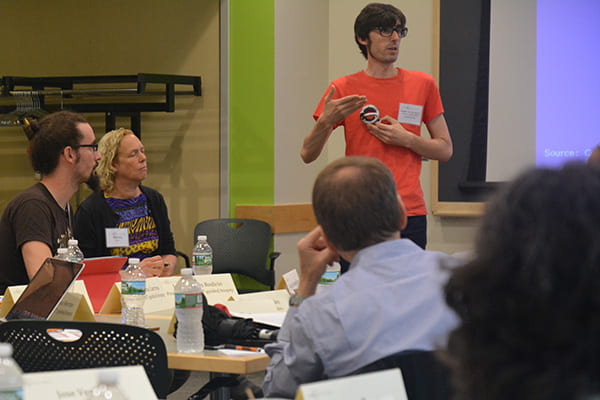
Project proposal
Develop a research project plan with milestones over a 12-18 month time frame.

Outcome
Portfolio of validated research projects for ongoing mentorship, with real opportunity to transition to the project execution phase, project execution—exploration of funding and commercialization opportunities. Learn more about the Catalyst process