
2020 Fellowship

Catalyst collaborators

US Department of Veterans Affairs logoVHA Innovation Ecosystem logoHood Pediatric Hub at MIT logo

Fellows

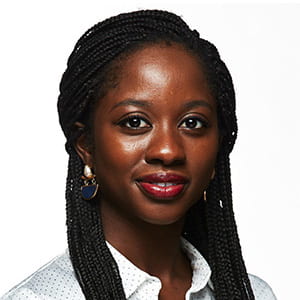
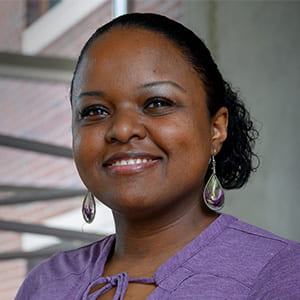
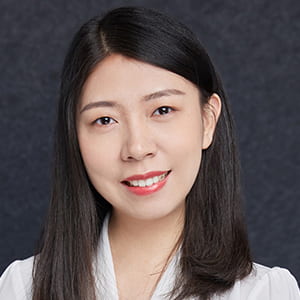
Mercy Asiedu, PhD
Postdoctoral Research Fellow, MIT
Bio
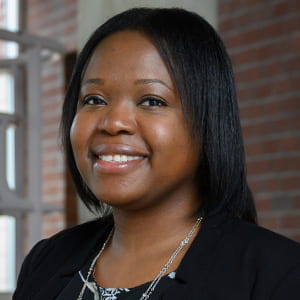
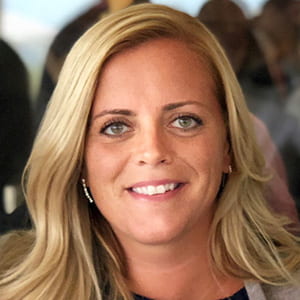
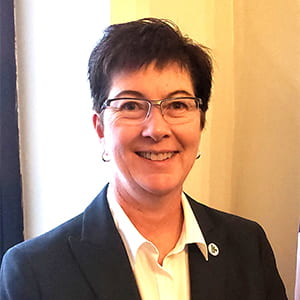
Lola Baird, LICSW, ACSW
Polytrauma/TBI Social Worker, VA Boston Healthcare System
Bio
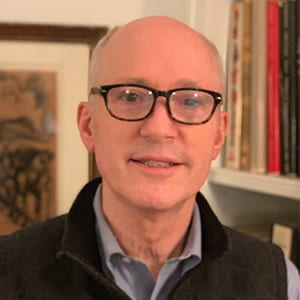
Mark Drinkwater, NP
Acute Care Nurse Practitioner, VA Boston Healthcare System
Bio
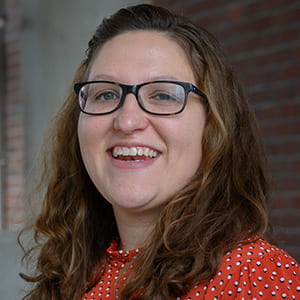
Amy Hanson, RN
Assistant Nurse Manager, VA Boston Healthcare System
Bio
Natrina Johnson, MS
Health Services Research, Boston University School of Public Health
Bio
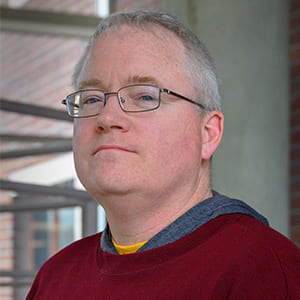
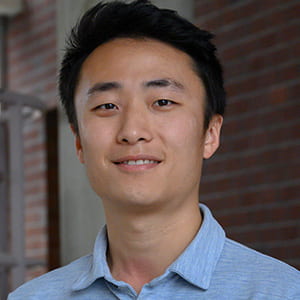
Nahun Kim
MS Candidate, MIT Integrated Design + Management
Bio
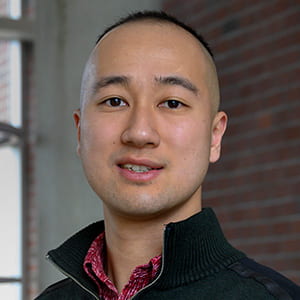
Jonathan Li, PhD
PhD Candidate in Computational & Systems Biology, MIT
Bio
Chelsey Solar, PhD
Fellow in Medical Informatics, VA Boston Healthcare System
Bio
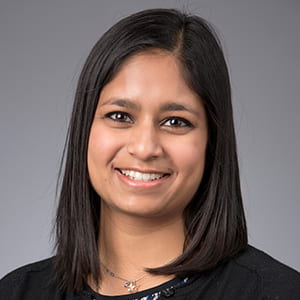
Smithri Sunil, PhD
Candidate in Biomedical Engineering, Boston University
Bio
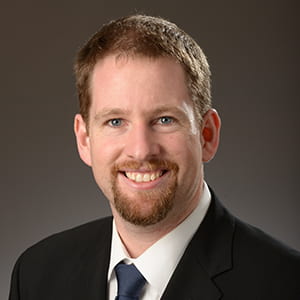
Eric Swart, MD
Assistant Professor, University of Massachusetts
Bio
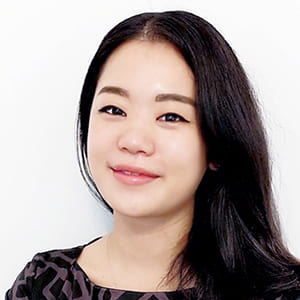
Christine Zhang
MBA Candidate, MIT Sloan School of Management
Bio
Kai Zhang, PhD
Senior Manager, Clinical Biomarkers and Diagnostics, Amgen
Bio

Scholars

Faculty

Pamela Bellino, MA, OTR/L
Director of Patient Safety, VA Boston Healthcare System
Bio
Stephan Gaehde, MD, MPH
Boston VA Medical Informatics Fellowship Program Director; Boston VA Chief of Emergency Services
Bio
Dimitra Georganopoulou, PhD
General Partner, Qral Ventures
Bio
Martha Gray, PhD
J. W. Kieckhefer Professor of Health Sciences and Technology; Professor of Electrical Engineering and Computer Science, MIT; Director, MIT linQ
Bio
Jacob Hooker, PhD
Phyllis and Jerome Lyle Rappaport MGH Research Scholar; Professor of Radiology, Harvard Medical School
Bio
Beth Kahn, MS
Associate Director, NE I-Corps; NSF I-Corps Instructor
Bio
Tim Padera, PhD
Associate Professor in Radiation Oncology, Harvard Medical School
Bio
Alice Lin Pomponio, MPP
Advisor, Red Sky Partners
Bio
Andy Shin, JD, MPH, MBA
SVP, Strategy at Mass General Brigham
Bio
Nancy R. Steele, MA
Vice President, Strategy & Innovation at Pfizer, retired
Bio
Ben Vakoc, PhD
Associate Professor, Harvard Medical School; Massachusetts General Hospital Wellman Center for Photomedicine
Bio

Experience highlights

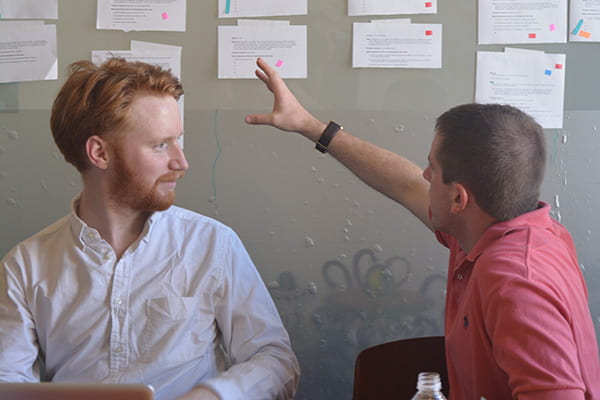
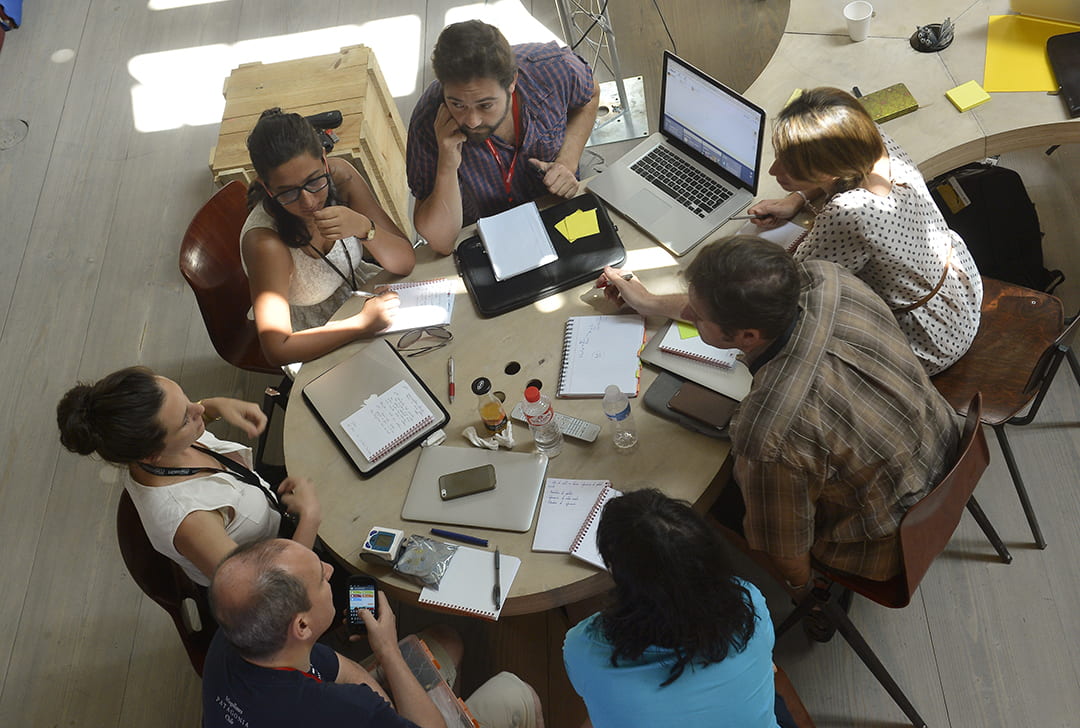
Fellows discussing ideas on a bulletin board
New project discovery with high potential to achieve health impact and without the constraints of a single lab or organization.
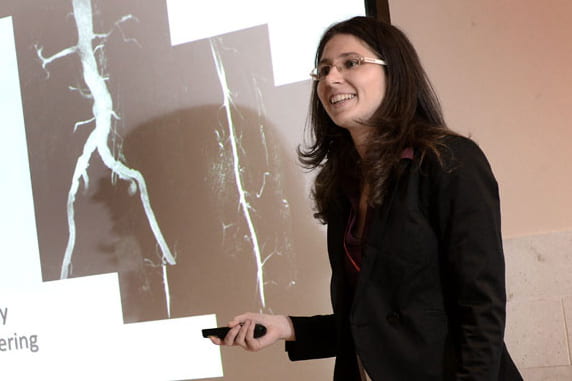
Process driven by you in a multi-disciplinary team based environment. Past teams have established new lines of research, launched start-ups, and embarked on new career trajectories.
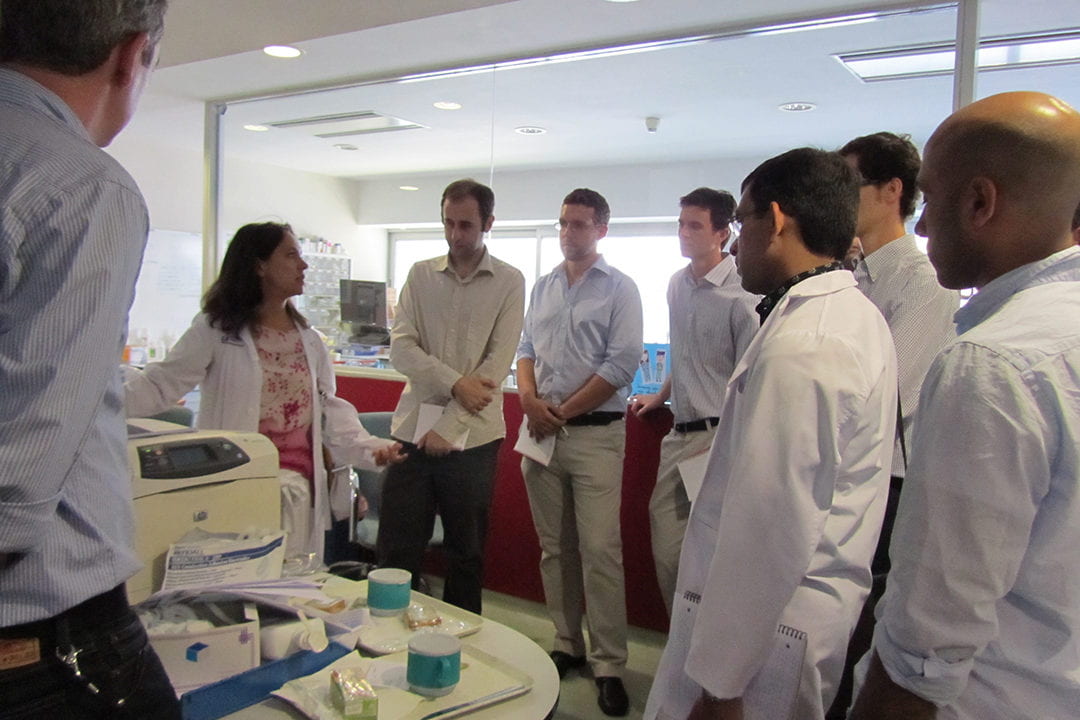
Mentored by a unique network of leading experts in their field from academic research and industry that shortens the time to realize meaningful healthcare outcomes.
A proven MIT linQ Innovation Method that focuses on real-world medical innovation opportunities and accelerates impact.

The process
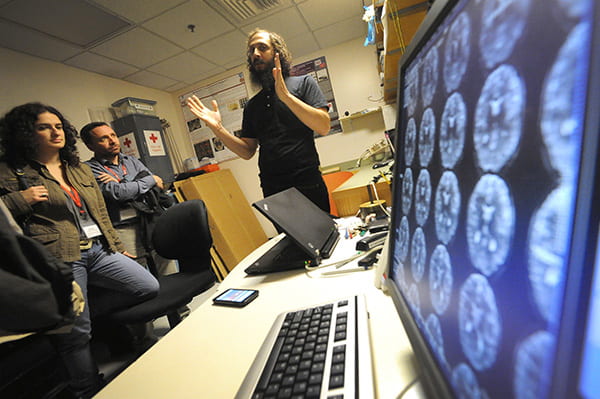
Proof of need

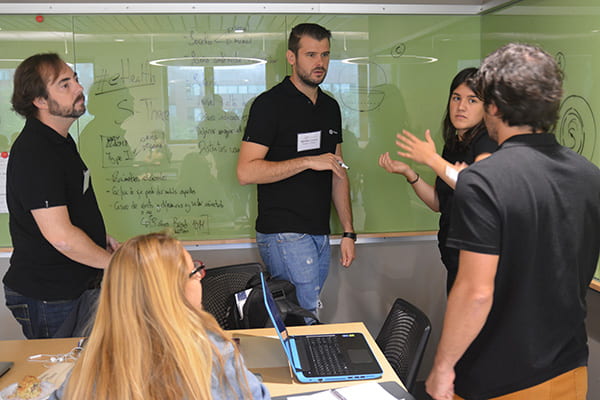
Identify and evaluate relevant unmet medical needs by visiting laboratories, talking with clinicians, and exploring the literature.
Proof of opportunity

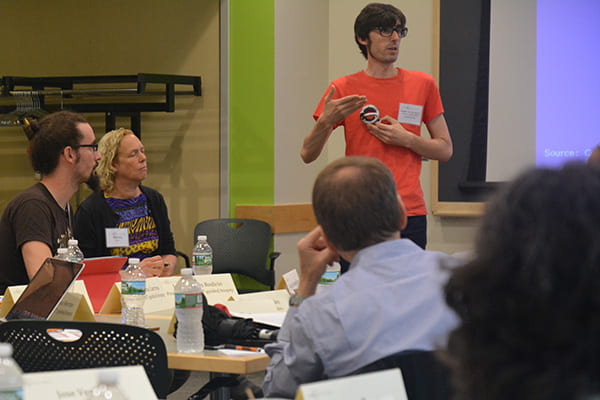
Identify and evaluate a set of possible solutions. Meet with key stakeholders to assess their potential of solving the unmet need.
Project proposal

Develop a research project plan with milestones over a 12-18 month time frame.

Outcome

Portfolio of validated research projects for ongoing mentorship, with real opportunity to transition to the project execution phase, project execution—exploration of funding and commercialization opportunities. Learn more about the Catalyst process

As an engineer, you have honed your problem-solving skills and have a deep understanding of technology. The biomedical field is ripe with opportunities for individuals like yourself to apply your expertise and make a profound impact on the lives of patients and providers. The Catalyst Program offers an exceptional platform to harness your talents and channel them towards addressing the most pressing challenges in healthcare today.